
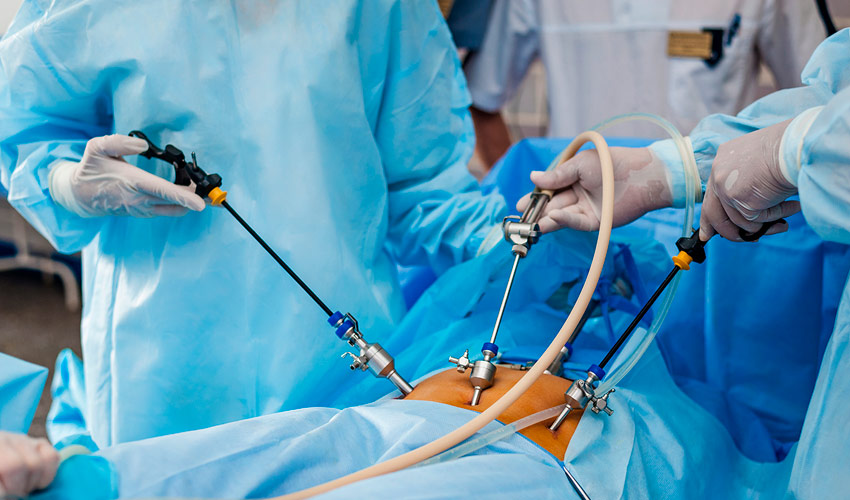
Laparoscopic surgery has become a preferred choice for many patients and surgeons due to its minimally invasive approach. Whether you’re undergoing a gallbladder removal, hernia repair, or a gynecological procedure, one of the most common questions is: how long does it take to heal from laparoscopic surgery?
The good news is that laparoscopy typically offers faster recovery than traditional open surgery. However, the exact laparoscopic surgery healing time can vary depending on the procedure performed, the patient’s overall health, and how well post-operative care instructions are followed.
Let’s explore the healing journey in detail, what to expect at each stage, and how to optimize your recovery for the best outcomes.
Understanding Laparoscopic Surgery
Laparoscopy involves making small incisions in the abdomen, usually 0.5 to 1 cm in size, through which a camera (laparoscope) and specialized instruments are inserted. This allows surgeons to perform complex operations with minimal trauma to surrounding tissues.
Because of the smaller incisions, patients experience less pain, reduced risk of infection, and a quicker return to normal activities. But that doesn’t mean recovery should be taken lightly.
Average Laparoscopic Surgery Recovery Time
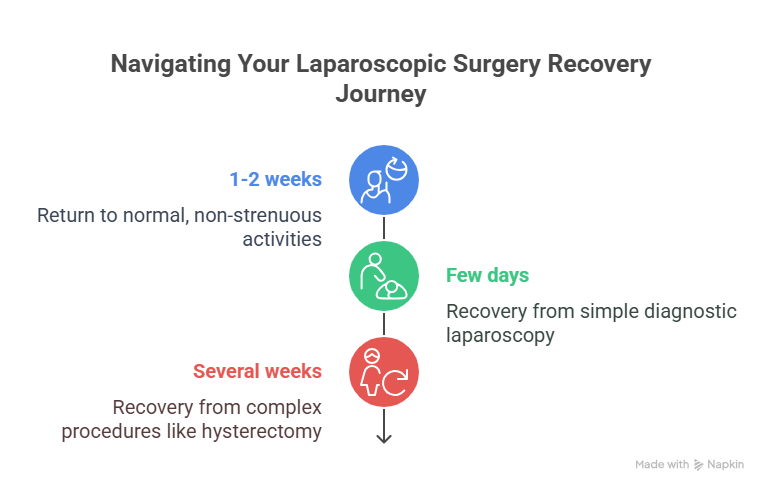
So, how long does it take to heal from laparoscopic surgery on average?
Most people can return to normal, non-strenuous activities within 1 to 2 weeks. However, laparoscopic surgery recovery time depends on several factors:
- Type of Surgery: A simple diagnostic laparoscopy may require only a few days of rest, while a more complex procedure like laparoscopic hysterectomy or bowel resection may need several weeks.
- Individual Health: Age, overall fitness, and chronic conditions like diabetes can influence healing speed.
- Lifestyle: Smokers and sedentary individuals often heal more slowly.
Laparoscopic Surgery Healing Process: What to Expect
The laparoscopic surgery healing process usually follows a clear and predictable timeline. While each patient’s recovery experience may vary slightly, most people can expect to go through a series of progressive healing stages. Here’s what typically happens after laparoscopic surgery:
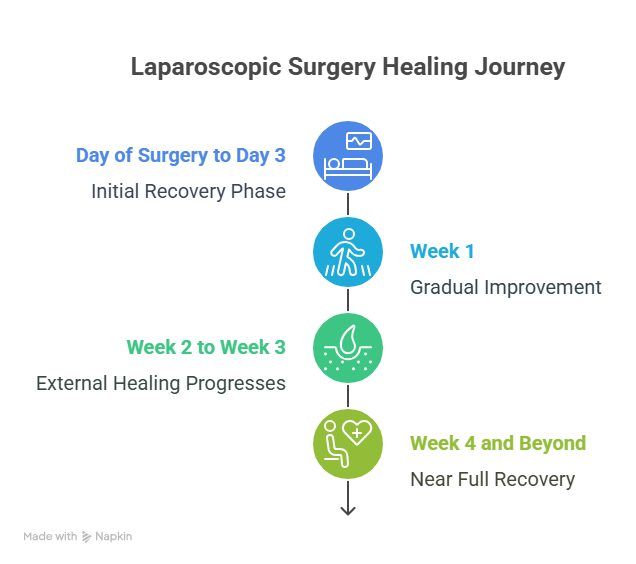
Day of Surgery to Day 3: Initial Recovery Phase
In the first 72 hours following surgery, most patients feel drowsy or nauseated due to the lingering effects of anesthesia. It’s also quite common to experience mild shoulder pain—this discomfort results from the carbon dioxide gas used to inflate the abdomen during the procedure, which can irritate the diaphragm and radiate to the shoulder.
The incision sites will feel sore, but the pain is generally manageable with prescribed painkillers. It’s crucial to follow your doctor’s instructions regarding medication, rest, and hydration. During this phase, light movement is encouraged. Gentle walking around your room or home helps promote circulation and significantly lowers the risk of blood clots.
Week 1: Gradual Improvement
As the first week progresses, most patients notice a gradual reduction in soreness and fatigue. The body begins to adjust to the changes post-surgery, and you may feel more mobile and alert. Many people can perform basic daily activities such as light housework or preparing simple meals.
Depending on your comfort level and the nature of your work, you might even return to your job—especially if it involves desk-based tasks or remote work. However, it’s important to avoid pushing yourself too hard. Listen to your body and take breaks when needed to avoid delaying the healing process.
Week 2 to Week 3: External Healing Progresses
By the second and third weeks, visible signs of healing begin to show. The incisions typically start to close and look more settled. You may wonder, how long for laparoscopic incisions to heal? In most cases, the outer skin at the incision sites heals within 2 to 3 weeks. The stitches or surgical glue begin to dissolve or fall off on their own during this period.
While the surface may look fine, it’s important to remember that internal tissues are still undergoing the laparoscopic surgery healing process. Swelling, mild bruising, or tightness around the incision area may still be present but should gradually fade. Avoid lifting anything heavy or engaging in rigorous physical activity during this time.
Week 4 and Beyond: Near Full Recovery
By the fourth week after surgery, most individuals feel nearly back to normal. You’ll likely resume full daily routines such as driving, returning to work, and performing light exercise. Many patients ask when they can get back to strenuous activity or intense workouts. While your energy may feel restored, internal healing—especially involving muscles or organs—may still be ongoing.
Typically, surgeons advise waiting until at least 6 weeks post-op before engaging in heavy lifting, core exercises, or sports. Even after you’ve resumed most of your activities, understand that internal tissues continue to strengthen and recover quietly over the coming months.
Healing Time for Laparoscopy: What Affects It?
Several factors impact the healing time for laparoscopy, including:
Surgical Complexity: A simple diagnostic procedure will naturally heal faster than a laparoscopic bowel resection or endometriosis treatment.
Patient Compliance: Following discharge instructions, taking prescribed medications, avoiding physical strain, and attending follow-up appointments can significantly speed up recovery.
Nutrition: A protein-rich, anti-inflammatory diet helps tissue repair. Include fruits, leafy greens, lean meats, lentils, and plenty of water.
Rest and Movement: Rest is crucial—but so is early mobilization. Walking gently for a few minutes every few hours prevents complications like blood clots or constipation.
Signs Your Recovery is Going Well
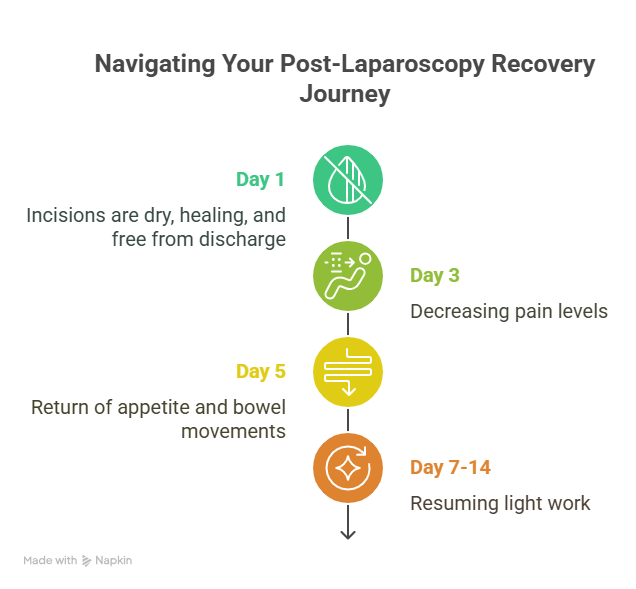
A smooth laparoscopy recovery time typically includes:
- Incisions that are dry, healing, and free from discharge
- Decreasing pain levels
- Return of appetite and bowel movements
- Resuming light work within 7–14 days
However, consult your doctor if you experience:
- Severe pain not managed by medication
- Fever over 100.4°F (38°C)
- Redness, warmth, or discharge at incision sites
- Persistent nausea or vomiting
- Difficulty urinating or passing stool
When Can You Return to Work After Laparoscopy?
This varies based on your job and the surgery type:
- Desk jobs: Usually within 5–10 days
- Physically demanding jobs: May need 3–4 weeks
- Postpartum or gynecological patients: Often advised to take 2–3 weeks before resuming work
It’s best to consult your surgeon to decide when it’s safe for you.
Experience Advanced Laparoscopic Surgery With Dr. Pawanindra Lal!
Book An AppointmentFinal Thoughts
So, how long does it take to heal from laparoscopic surgery? For most patients, the recovery window ranges between 1 to 3 weeks for light activity and up to 6 weeks for complete healing. Your body may feel fine in a few days, but internal healing takes time.
Trust Dr. Pawanindra Lal advice, listen to your body, and don’t rush your return to normalcy. Proper post-op care ensures not only faster recovery but also fewer chances of long-term issues.
If you’re preparing for surgery and want safe, expert guidance from start to finish, consult with the Best Laparoscopic Surgeon in Delhi NCR and begin your recovery with confidence.
Frequently Asked Questions
1. What is the average laparoscopic surgery healing time?
The average laparoscopic surgery healing time ranges between 1 to 3 weeks for basic procedures like gallbladder removal or appendectomy. More complex surgeries may require 4–6 weeks for complete recovery. Always follow your surgeon’s specific recovery plan.
2. What is the typical laparoscopic surgery recovery time for returning to work?
Most patients can return to light or desk-based work within 7 to 10 days. However, if your job is physically demanding, your laparoscopic surgery recovery time could extend to 3–4 weeks. Always get clearance from your doctor before resuming full duties.
3. What happens during the laparoscopic surgery healing process?
The laparoscopic surgery healing process includes incision site healing, internal tissue repair, and gradual restoration of energy. Pain and discomfort decrease within a few days, while deep healing continues over several weeks. Walking and gentle movements aid circulation and healing.
4. How long for laparoscopic incisions to heal completely?
How long for laparoscopic incisions to heal depends on the size of the cuts and your overall health. Surface healing usually takes 1–2 weeks, while deeper tissues may require 4–6 weeks to fully mend. Avoid scratching or applying pressure to the sites during this time.
5. What is the recovery time for laparoscopic surgery involving the abdomen?
The recovery time for laparoscopic surgery involving abdominal organs (like hernia or colon procedures) is generally 2 to 4 weeks. You may resume light activities within 7–10 days, but heavy lifting or intense workouts should wait until your surgeon gives approval.
6. Is there a difference between laparoscopy recovery time and open surgery recovery?
Yes, laparoscopy recovery time is significantly shorter compared to open surgery. Since laparoscopic procedures involve smaller incisions and less muscle disruption, patients typically experience less pain and faster mobility, returning to daily activities sooner.
7. What helps reduce the healing time for laparoscopy?
To shorten your healing time for laparoscopy, follow all post-op instructions, stay hydrated, eat protein-rich foods, manage pain as prescribed, and avoid lifting heavy objects. Gentle walking from day one also prevents complications and promotes faster recovery.