
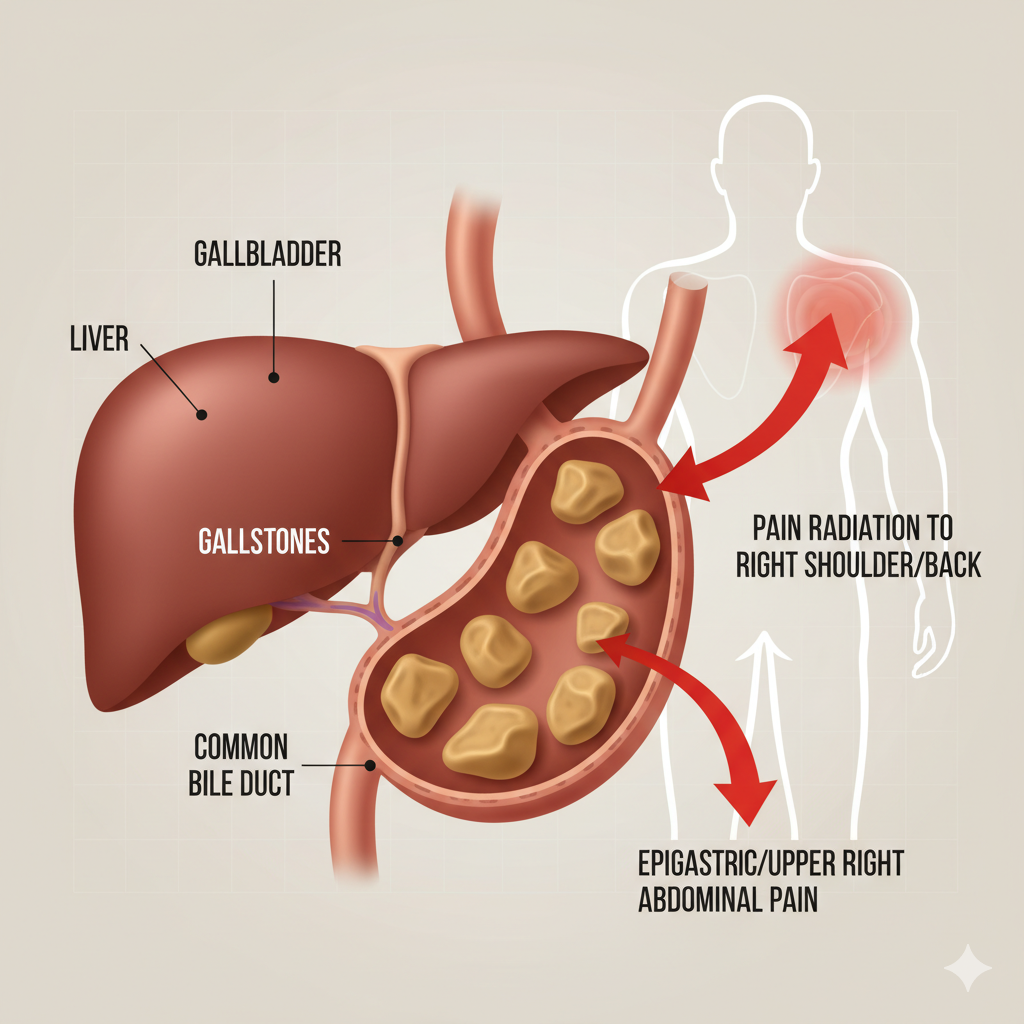
Gallstones are small, hardened deposits that form inside the gallbladder. They are mostly made up of cholesterol, bile salts, and other digestive fluids. While gallstones are commonly associated with abdominal pain, nausea, or digestive discomfort, many people wonder if they can also affect the urinary system. Questions like “do gallstones cause urinary problems” or “can gallstones cause UTI” are often raised by patients because the symptoms of gallstones can sometimes mimic urinary issues.
In this blog, we will explore how gallstones may overlap with urinary symptoms, whether they can trigger infections like UTIs, and what patients need to know about diagnosis and treatment. For advanced care, consulting an expert like Dr. Pawanindra Lal, an experienced Gallbladder Surgeon in Delhi, can help in understanding and managing these conditions effectively.
Experience Advanced Gallbladder Surgery With Dr. Pawanindra Lal!
 Request Callback
 Chat on WhatsApp
Understanding Gallstones
Gallstones are hardened deposits that form inside the gallbladder, a small pear-shaped organ located beneath the liver. The gallbladder’s role is to store and release bile, which helps in digesting fats. When the balance of substances like cholesterol, bile salts, and bilirubin in bile is disturbed, stones may form.
These stones can vary in size — from as small as a grain of sand to as large as a golf ball. Some people may have just one stone, while others can develop multiple stones. Many gallstones remain “silent,” meaning they do not cause noticeable symptoms and are often discovered by chance during imaging tests for other health issues.
Symptoms of Gallstones
While gallstones can be symptomless, they often make themselves known when they obstruct the flow of bile. This blockage creates intense discomfort, known as a gallbladder attack or biliary colic.
Common symptoms include:
- Sudden, sharp pain in the upper right or middle abdomen.
- Pain radiating to the right shoulder or back.
- Nausea and vomiting after meals.
- Indigestion, bloating, or gas, especially after fatty foods.
- Fever, chills, and jaundice in cases of gallbladder infection.
Do Gallstones Really Cause Urinary Problems?
When patients complain of urinary problems like frequent urination, burning sensation, or blood in urine, gallstones are not usually the first cause doctors suspect. This is because gallstones are located in the gallbladder, which is part of the digestive system, not the urinary tract.
However, there are some reasons why patients may think gallstones and urinary issues are related:
- Referred Pain: Gallstone pain often radiates to the lower abdomen and back, making it feel like bladder or kidney pain.
- Abdominal Pressure: A swollen or inflamed gallbladder can create a sense of heaviness, which may mimic urinary discomfort.
- General Symptoms: Fatigue, fever, or nausea caused by gallstones may overlap with those seen in urinary tract infections.
So, to answer the question “do gallstones cause urinary problems?”: gallstones do not directly cause urinary problems, but their symptoms can be easily confused with those of urinary conditions.
Gallstones and UTI: What’s the Connection?
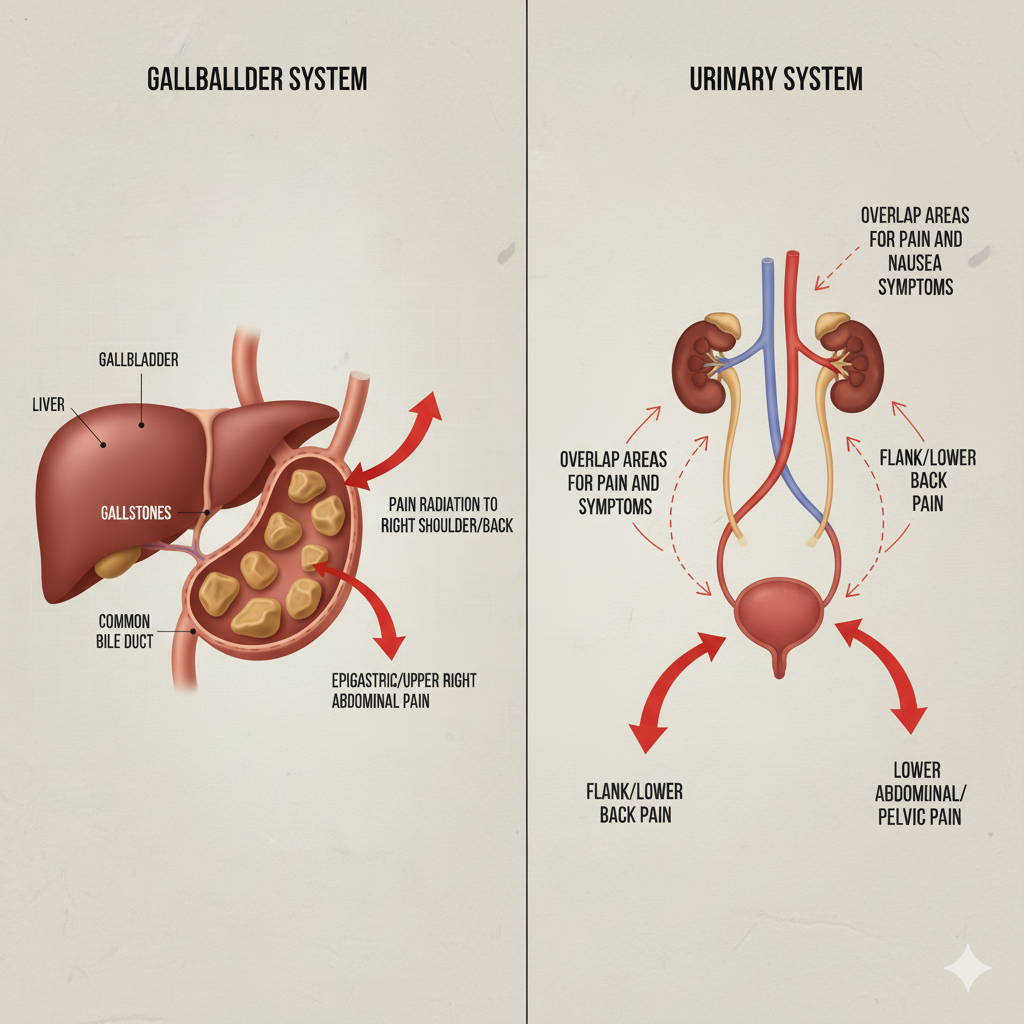
The urinary tract and gallbladder are separate systems, but complications from gallstones can sometimes increase the risk of infections. For example:
- Severe gallbladder infection (cholecystitis) may weaken the body’s immune system, making urinary tract infections (UTIs) more likely.
- Gallstone-related pain in the lower abdomen may be misinterpreted as UTI pain, leading to confusion.
- Rarely, gallstones causing systemic infection can spread bacteria into the bloodstream, indirectly affecting the urinary tract.
Some patients ask, “can gallstones cause UTI?” or “can gallstones cause UTI symptoms?”. The answer is that gallstones themselves don’t infect the urinary tract, but the complications they create may indirectly make UTIs more likely or cause overlapping symptoms such as:
- Burning during urination.
- Urinary urgency or frequency.
- Discomfort in the lower abdomen.
Can Gallstones Cause Blood in Urine?
One of the most common concerns patients raise is “can gallstones cause blood in urine?”. Medically, gallstones are not directly linked to blood in urine because they affect the gallbladder and bile ducts, not the urinary system. However, certain situations can create confusion:
- Referred Pain → Gallbladder pain radiates to the abdomen and back, sometimes making patients think it is coming from the urinary tract.
- Co-existing Conditions → A person may have both gallstones and urinary tract issues such as kidney stones or infections, which can cause blood in urine.
- Infection Spread → In rare cases, severe gallbladder infections may weaken the body’s defenses, making the urinary tract prone to infection, which may then cause hematuria (blood in urine).
So, gallstones alone do not cause blood in urine, but complications from gallstones or parallel urinary conditions may explain the overlap.
Gallstones and Kidney Infections: Is There a Link?
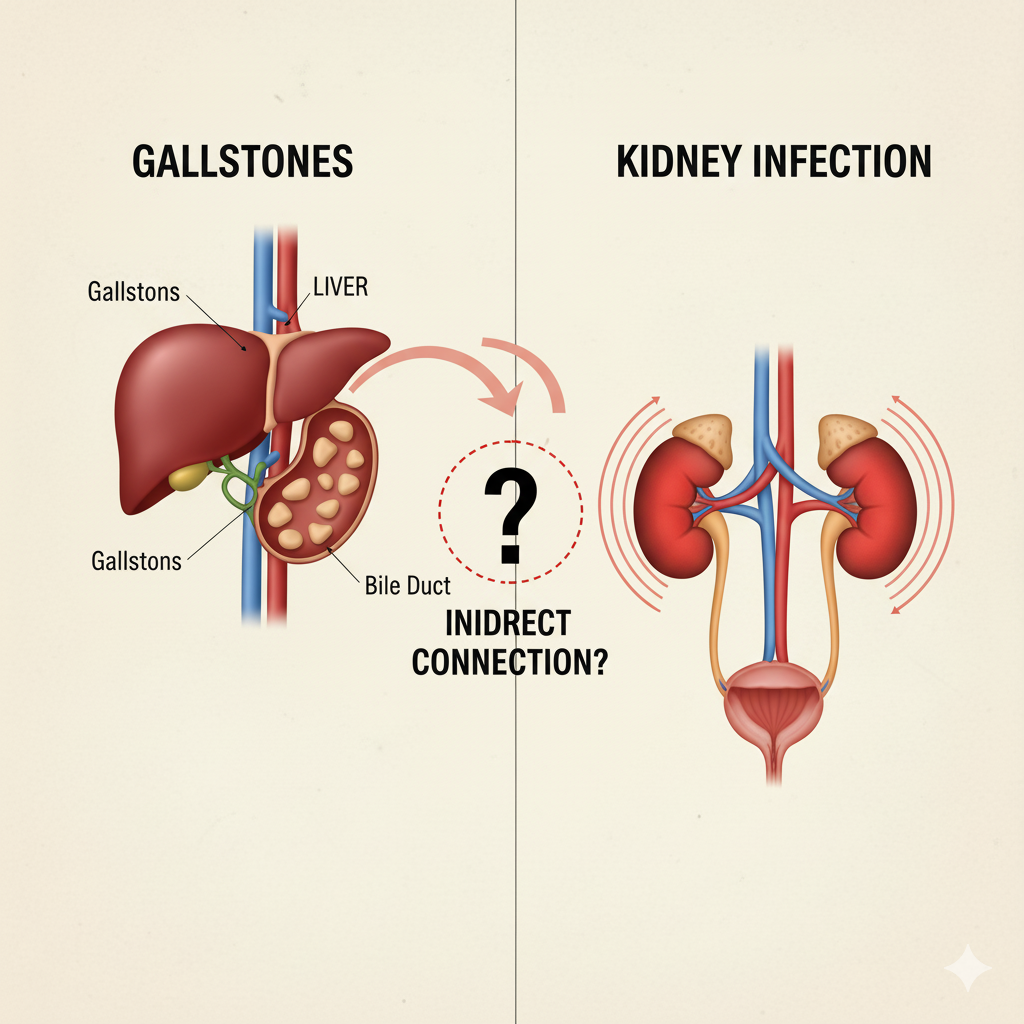
Another common query is “can gallstones cause kidney infection?”. While gallstones do not directly infect the kidneys, they may contribute indirectly:
- Systemic Infection → Severe gallbladder infections can spread bacteria in the bloodstream, increasing the risk of kidney infection in vulnerable patients.
- Immune Weakness → Frequent gallbladder attacks and ongoing inflammation may weaken the immune system, making the body more susceptible to urinary tract or kidney infections.
- Misdiagnosis → Gallstone pain in the abdomen may sometimes feel like kidney infection pain, especially if the discomfort radiates to the back.
Key Difference:
- Gallstones → Cause digestive issues (bloating, fatty food intolerance, abdominal pain).
- Kidney infections → Cause urinary issues (burning, blood in urine, fever, painful urination).
Even though gallstones don’t directly cause kidney infections, the confusion of overlapping symptoms makes medical evaluation necessary.
Treatment Options for Gallstones and Urinary Problems
Managing gallstones depends on their size, symptoms, and complications. If gallstones are silent, no treatment may be required. But when they cause repeated pain or confusion with urinary problems, active treatment is needed.
Treatment approaches for gallstones include:
- Lifestyle and diet changes → Avoid fatty and fried foods, eat smaller meals.
- Medications → Rarely used, may dissolve small cholesterol stones but not always effective.
- Surgery (Cholecystectomy) → The most common and permanent solution. Performed either laparoscopically (minimally invasive) or through open surgery.
If urinary problems are present alongside gallstones, doctors also check for UTIs, kidney stones, or bladder infections. Antibiotics, pain relief medicines, or urological procedures may be recommended depending on the case.
Experience Advanced Gallbladder Surgery With Dr. Pawanindra Lal!
Final Thoughts
So, do gallstones cause urinary problems? — Not directly. Gallstones primarily affect the digestive system, but their pain patterns and complications can overlap with urinary issues. This overlap often confuses patients, leading them to believe gallstones are behind UTI-like symptoms, blood in urine, or kidney infections.
While gallstones themselves don’t cause urinary tract infections or kidney disease, they can indirectly contribute by weakening the immune system, spreading infection, or simply mimicking urinary symptoms. The best approach is accurate diagnosis and timely treatment.
If you are experiencing symptoms such as abdominal pain, indigestion, fever, or urinary complaints, don’t ignore them. Seek guidance from a trusted expert like Dr. Pawanindra Lal, who has extensive experience managing gallbladder conditions. With the right care, gallstones and related discomfort can be treated effectively, restoring health and peace of mind.
Frequently Asked Questions
Do Gallstones directly cause urinary problems?
No, gallstones affect the gallbladder, not the urinary system. But symptoms may overlap, leading to confusion.
Can Gallstones cause UTI?
Gallstones don’t directly cause UTI, but severe infection from gallstones can weaken immunity, making UTIs more likely.
Can Gallstones cause blood in urine?
Not directly. Blood in urine is usually due to kidney stones or UTIs. But co-existing conditions may create overlap.
What is the best treatment for Gallstones?
Surgery (cholecystectomy) is the most reliable treatment, especially for recurrent symptoms.
How do I know if my pain is from gallstones or a urinary problem?
Gallstones cause pain after fatty meals and in the upper abdomen, while urinary problems cause burning urination, frequent urination, or hematuria.