
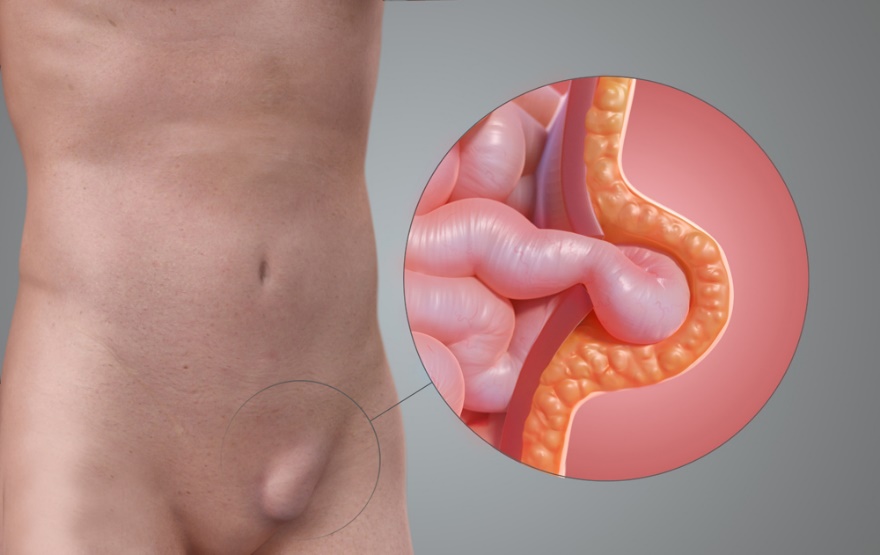
A hernia is a common condition where an internal organ or tissue pushes through a weak spot in the muscles. While many hernias require surgery at some stage, knowing how to prevent hernia can significantly lower the chances of developing one. This guide explains practical steps, lifestyle changes, and medical advice to help you prevent hernias before they occur, avoid worsening of an existing hernia, and reduce the risk of recurrence after surgery.
For expert care and guidance, consulting a specialist like a Hernia Surgeon in Delhi, such as Dr. Pawanindra Lal, can also help you understand personalized prevention methods based on your health condition.
How to Prevent Hernia?
“This guide explains practical steps, lifestyle changes, and medical advice to help you prevent hernias before they occur, avoid worsening of an existing hernia.”
Book Your Appointment TodayUnderstanding Hernia
A hernia occurs when an internal organ, fat, or tissue pushes through a weak spot in the surrounding muscle or connective tissue. This weakness is usually found in the abdominal wall, but hernias can also appear in the groin, chest, or previous surgical incision sites. Although small hernias may not cause immediate discomfort, they gradually increase in size and can lead to pain, restricted movement, or dangerous complications if left untreated.
Hernias do not heal on their own. Once a weak muscle area forms, there is always a chance that the hernia may grow bigger or become painful. This makes prevention extremely important, especially for people who:
- Lift heavy objects
- Have chronic cough
- Experience constipation frequently
- Are overweight
- Have a family history of hernia
- Have undergone abdominal surgery
Knowing how to prevent hernia allows you to protect your abdominal muscles, avoid unnecessary complications, and stay healthy without major restrictions.
Common Causes of Hernia
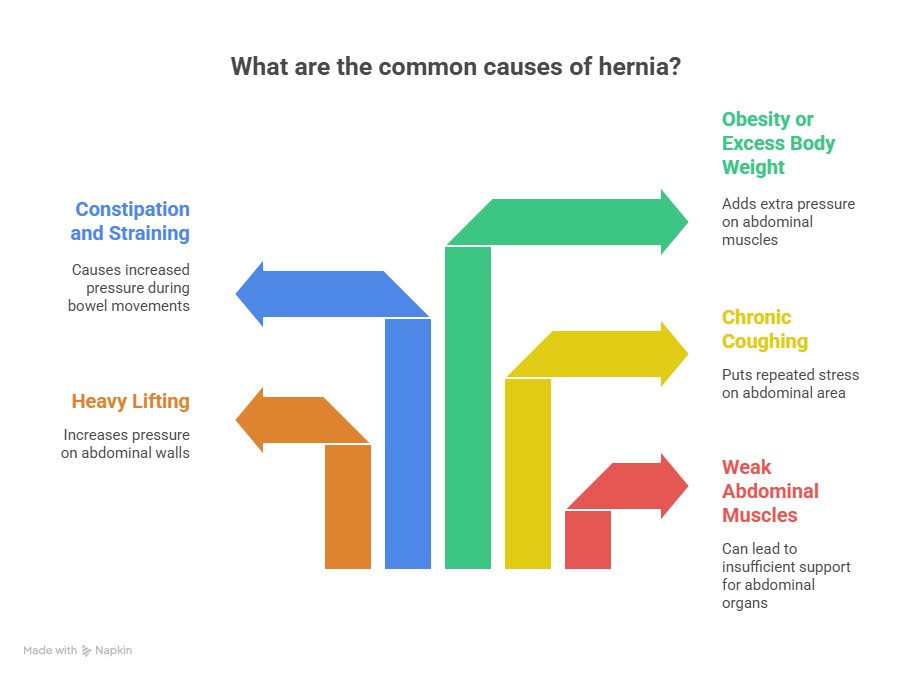
Before learning prevention, it is essential to know what causes hernias:
1. Weak Abdominal Muscles
A hernia often begins when the abdominal wall becomes weak due to aging, lack of exercise, or hereditary factors. Weak tissues cannot hold internal organs firmly, allowing them to push outward. Strengthening the core helps reduce the risk and supports overall abdominal health.
2. Heavy Lifting
Lifting heavy objects suddenly increases pressure inside the abdomen. If the pressure rises against a weak spot, it can create or worsen a hernia. Using proper lifting techniques is essential, especially for people who work in physical labor or gym environments.
3. Chronic Coughing
Continuous coughing from smoking, allergies, or lung diseases puts repeated stress on the abdominal wall. Over time, this strain weakens the muscles and leads to hernia formation. Managing chronic cough is a key step in preventing hernias from developing or worsening.
4. Constipation and Straining
Straining during bowel movements increases abdominal pressure significantly. This repeated pressure weakens muscle tissues and can trigger a hernia, especially in older adults. Staying hydrated and eating a fiber-rich diet helps prevent straining.
5. Obesity or Excess Body Weight
Carrying extra weight puts constant pressure on the abdomen, stretching and weakening the muscles. This long-term strain increases the risk of hernia formation. Maintaining a healthy weight is one of the most effective ways to prevent hernias naturally.
How to Prevent Hernia: Effective Strategies
Below are the most trusted and medically recommended ways to prevent hernia formation.
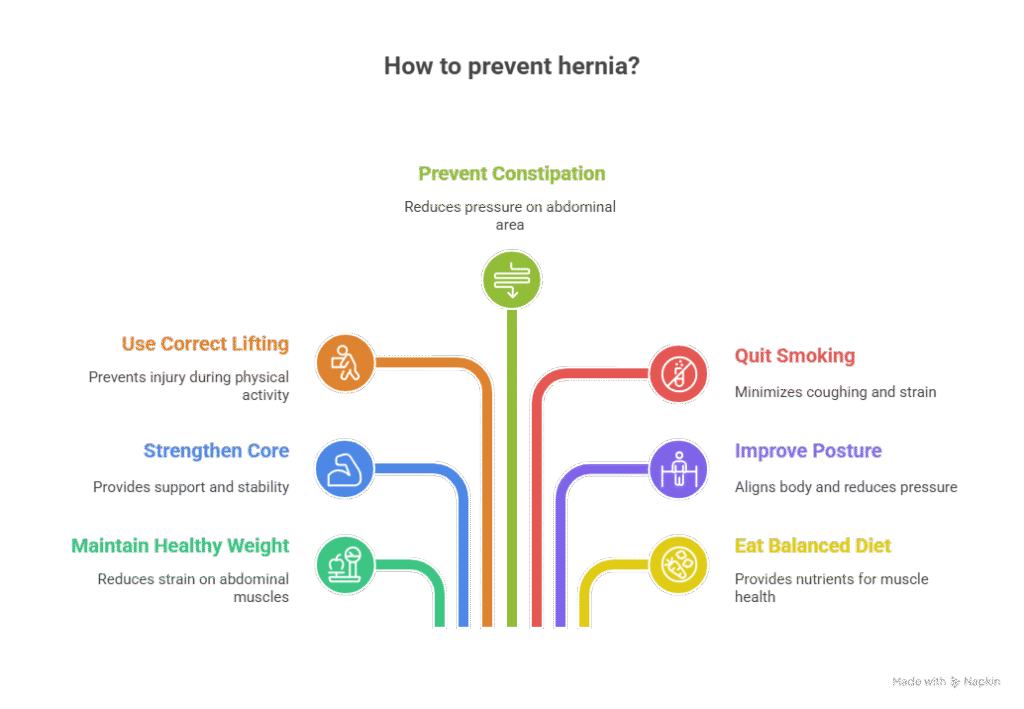
1. Maintain a Healthy Body Weight
Extra weight increases pressure on the abdominal wall, especially in the lower belly. Losing even 5–10% of body weight reduces this pressure and lowers hernia risk.
Helpful tips:
- Eat fiber-rich meals to avoid constipation
- Reduce sugar and deep-fried foods
- Control portion size
- Stay physically active
Maintaining an ideal weight is one of the most effective steps in how to prevent hernia naturally.
2. Strengthen Your Core Muscles Safely
Strong abdominal muscles support your organs and reduce hernia risk. You don’t need heavy gym workouts; simple, low-impact exercises work well.
Safe exercises include:
- Pelvic tilts
- Leg raises (gentle)
- Glute bridges
- Wall planks
- Yoga and stretching
Avoid exercises like heavy crunches or intense weight training without guidance. If you already have a small bulge, focus more on how to prevent a hernia from getting worse by choosing only gentle exercises approved by a doctor.
3. Use Correct Lifting Techniques
Most hernias occur due to improper lifting. Whether it’s a bag of groceries or a gym weight, your technique matters.
Follow these rules:
- Bend your knees, not your waist
- Keep your back straight
- Hold the object close to your body
- Exhale while lifting
- Avoid lifting when you feel pain
- Never lift objects heavier than your ability
For people with a previous hernia, safe lifting is a crucial part of how to prevent a hernia from getting worse.
4. Prevent and Treat Constipation Early
Straining during bowel movements dramatically increases abdominal pressure. This is why managing constipation is key in how to prevent hernia.
To avoid constipation:
- Drink 2–2.5 liters of water daily
- Eat vegetables, fruits, oats, whole grains
- Include natural laxatives like papaya, soaked raisins, and flax seeds
- Take fiber supplements if needed (only after doctor’s advice)
A soft, regular bowel routine keeps abdominal pressure low and protects the abdominal wall.
5. Quit Smoking and Control Chronic Cough
Smoking leads to persistent coughing, which weakens the muscle wall. Quitting reduces cough, improves breathing, and strengthens muscles.
If your cough is due to allergies, infections, or asthma, proper treatment is essential because reducing cough is a major step in how to prevent hernia.
6. Improve Posture
Slouching or sitting in the wrong position put continuous pressure on the abdomen.
Practice:
- Sitting with straight back
- Keeping core engaged
- Avoiding long hours in one position
- Using ergonomic chairs
Good posture helps prevent hernia formation and also protects the spine.
7. Eat a Balanced, Nutritious Diet
Foods rich in protein, fiber, and vitamins help maintain strong muscle health.
Include:
- Eggs, lean meat, legumes (for protein)
- Citrus fruits, tomatoes (for Vitamin C)
- Nuts and seeds (for magnesium and omega-3)
- Whole grains
Good nutrition supports abdominal tissues and helps in how to prevent a hernia from getting worse.
How to Prevent Hernia?
“This guide explains practical steps, lifestyle changes, and medical advice to help you prevent hernias before they occur, avoid worsening of an existing hernia.”
Book Your Appointment TodayWhen Should You Consult a Hernia Surgeon?
It is important to consult a hernia specialist to treat hernia when you notice any constant swelling, pressure, or heaviness in the abdomen or groin. Many hernias start small, but they gradually become larger and more uncomfortable if not treated on time. Early medical evaluation prevents serious complications and ensures proper guidance on lifestyle changes, monitoring, or surgery. A highly experienced Hernia Surgeon in Delhi, such as Dr. Pawanindra Lal, can assess the severity of the hernia and recommend the safest treatment plan. You should especially seek medical attention if you experience:
- A recurring bulge that appears or enlarges after standing, lifting, or coughing.
- Persistent pain or discomfort that affects daily activities or worsens with movement.
- Changes in the bulge, such as it becoming firm, tender, or difficult to push back inside.
- Digestive issues, including bloating, nausea, or difficulty passing stool, occurring alongside the swelling.
Early consultation helps you avoid emergencies, reduces the risk of complications, and ensures timely and effective hernia management.
Summary
Preventing a hernia largely depends on maintaining strong abdominal muscles, avoiding excessive strain, managing constipation, and keeping a healthy body weight. Simple lifestyle changes like safe lifting techniques, regular exercise, and treating chronic cough early can significantly lower the chances of developing a hernia. Understanding the causes and symptoms helps you take the right precautions before the condition becomes painful or complicated.
Knowing how to prevent hernia, how to stop it from getting worse, and how to care after surgery creates long-term protection for your abdominal health. However, once a hernia forms, timely medical evaluation is essential because hernias do not heal on their own. Early detection helps prevent emergencies like obstruction or strangulation and enables you to follow the right preventive steps tailored to your condition.
Frequently Asked Question
Can Hernias be prevented completely?
Not always, but risk can be greatly reduced through weight control, exercise, avoiding strain, and maintaining good posture.
How to prevent a Hernia from getting worse?
Avoid heavy lifting, manage constipation and cough, maintain healthy weight, and follow medical advice regularly.
How to prevent Hernia after surgery?
Avoid strain for 6–12 weeks, follow wound care instructions, maintain good bowel habits, and consult your surgeon before any exercise.
Does exercise help prevent Hernia?
Yes, gentle core strengthening and regular activity protect abdominal muscles and reduce hernia risk.
Can diet help prevent Hernia?
A fiber-rich diet prevents constipation, while protein-rich foods strengthen muscles.